
Research
A village-run research station on the Rupununi River. Yupukari’s citizen scientists have studied black caiman here since 2005 and river turtles since 2011, in partnership with visiting scholars, who have also brought projects of their own. Guests are invited to join the caiman crew.
For the wider picture of wildlife and people across the region, start with this 2024 assessment, to which Caiman House contributed — the Yupukari turtle programme is one of its case studies:
Wildlife and People in the Rupununi – A comprehensive assessment based on science and local knowledge. 2024. van Vliet, N., Ponta, N., LeBel, S., McKenna, L. and David, O., eds. 2024. Rome, FAO, CIRAD, CIFOR-ICRAF and WCS. https://doi.org/10.4060/cd0660en
Black Caiman - Yellow Spotted Amazon River Turtle - Jaguar - Ethnobotany
Black Caiman
Melanosuchus niger: Long-term mark-recapture field study
1. Conduct a detailed ecological study of the Black Caiman.
2. Recommend protocols to resolve human/caiman conflicts.
3. Develop a cadre of indigenous naturalists to provide the basis for the continued study of crocodilian species, to educate local people on conservation and management issues, and to assist in the implementation of sound conservation practices.
4. Enhance our knowledge of the natural history and biology of black caiman through scientific publications and other media.
Academic Publications
Global Ecology and Conservation (2024) Nesting Trends and Predation Risks Among Yellow-Spotted River Turtles in Essequibo River Basin
Conservation Science and Practice (2023) Drivers of human–black caiman (Melanosuchus niger) conflict in Indigenous communities in the North Rupununi wetlands, southwestern Guyana
Biotropica (2022) What do adult black caiman (Melanosuchus niger) actually eat?
Human Dimensions of Wildlife (2022) Influence of diet overlap and nest-site aggression on human–black caiman conflict in Guyana
Herpetologica (2021) Tourism value of crocodilians: the black caiman as a case study
Amphibia-Reptilia (2016) Growth rates of black caiman
Herpetological Review (2015) Notes on the diet of Melanosuchus niger
Zoology (2011) Acoustic signals of baby black caimans
Yellow-spotted Amazon River Turtle
Podocnemis unifilis: Community Monitoring and Head-start
This is an on-going village project founded in 2011 by Caiman House Intern Jeff Slocum. Generously seeded and nurtured for many years by Exmoor Zoo and Linton Zoo (UK), and then sustained by Phoenix Zoo (US), our turtle head-starting and related youth programming is currently supported by the Sustainable Wildlife Management Programme, a beneficiary of the Center for International Forestry Research.
Goal: To reduce the annual losses of adults, hatchlings and nests; to found a community-based management strategy; to build on strong local interest in and enthusiasm for turtle conservation in Guyana.
Food and Agriculture Organization of the United Nations (FAO). (2025). Rupununi Freshwater Turtle Management Plan.
Here’s a February 2022 article about the project.

Jaguar
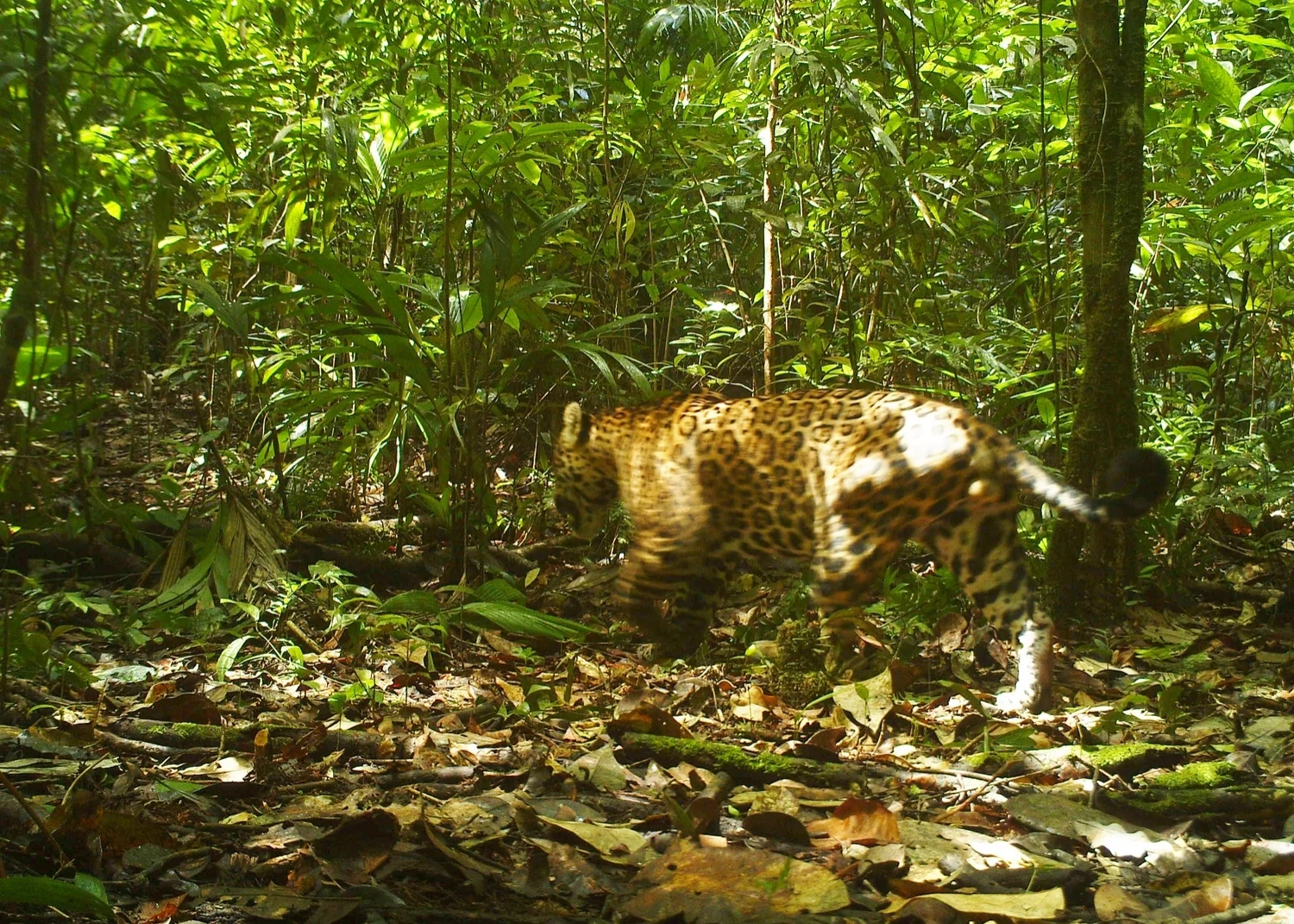
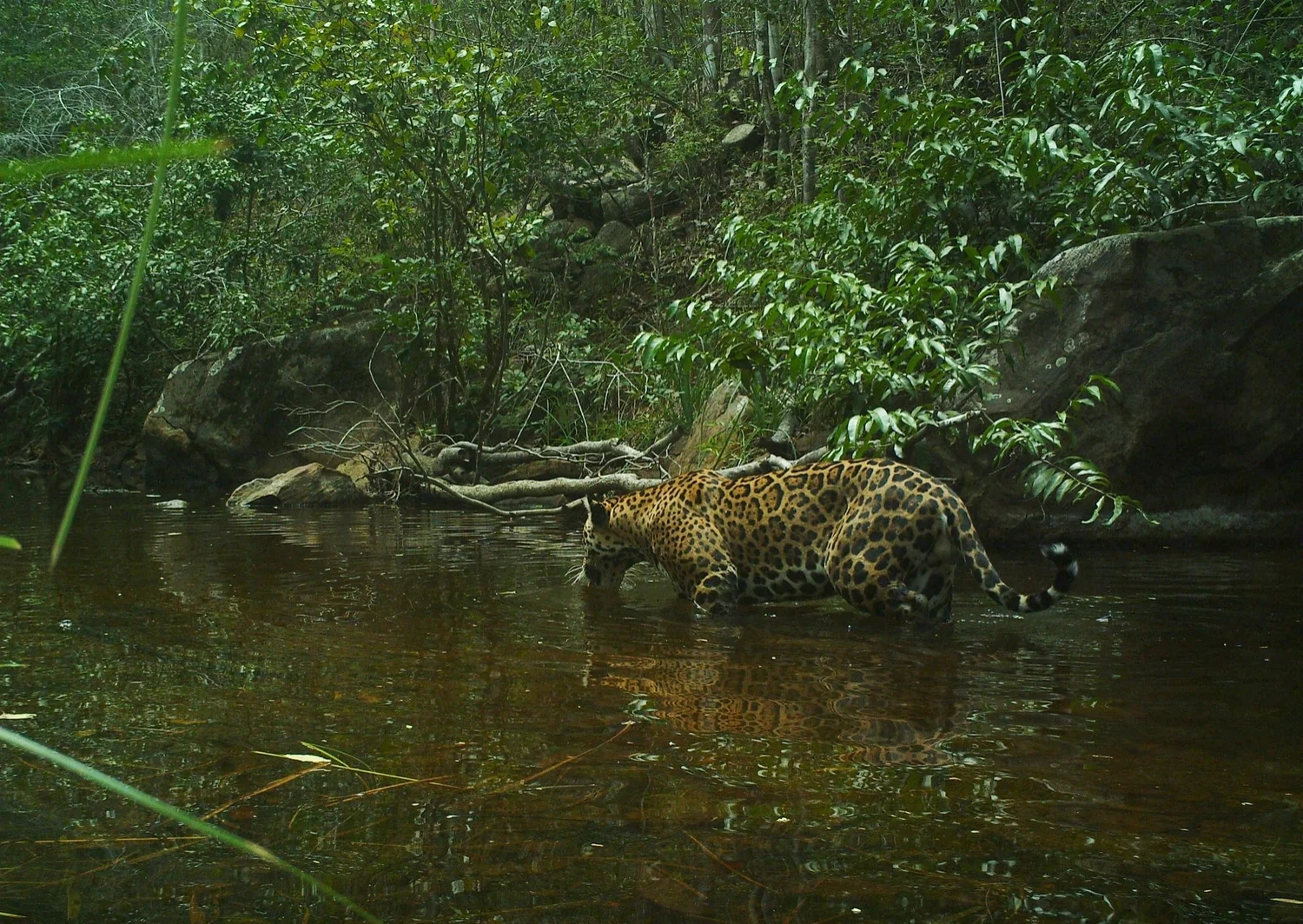
Panthera onca: Population Survey, 2012-2016
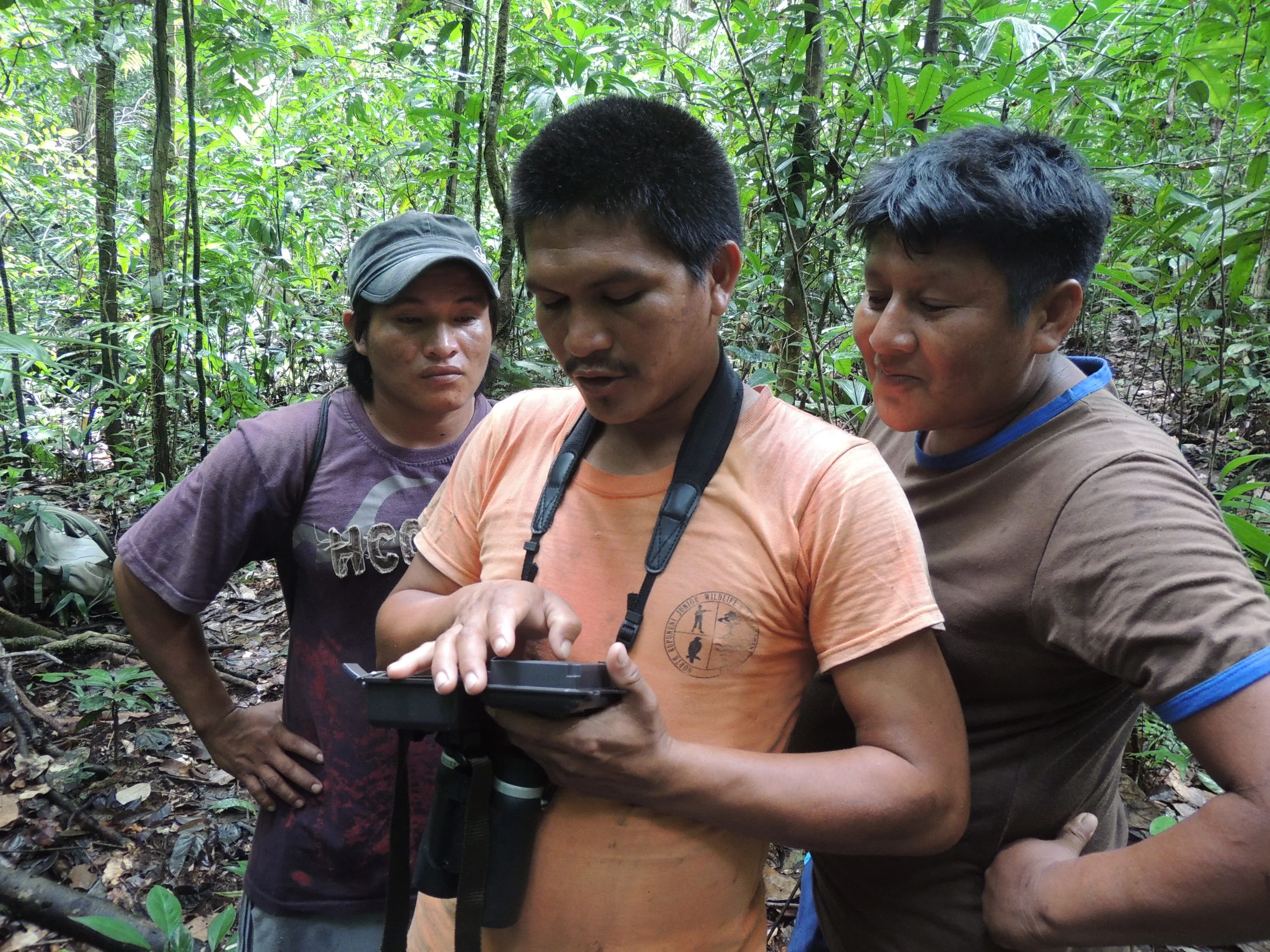
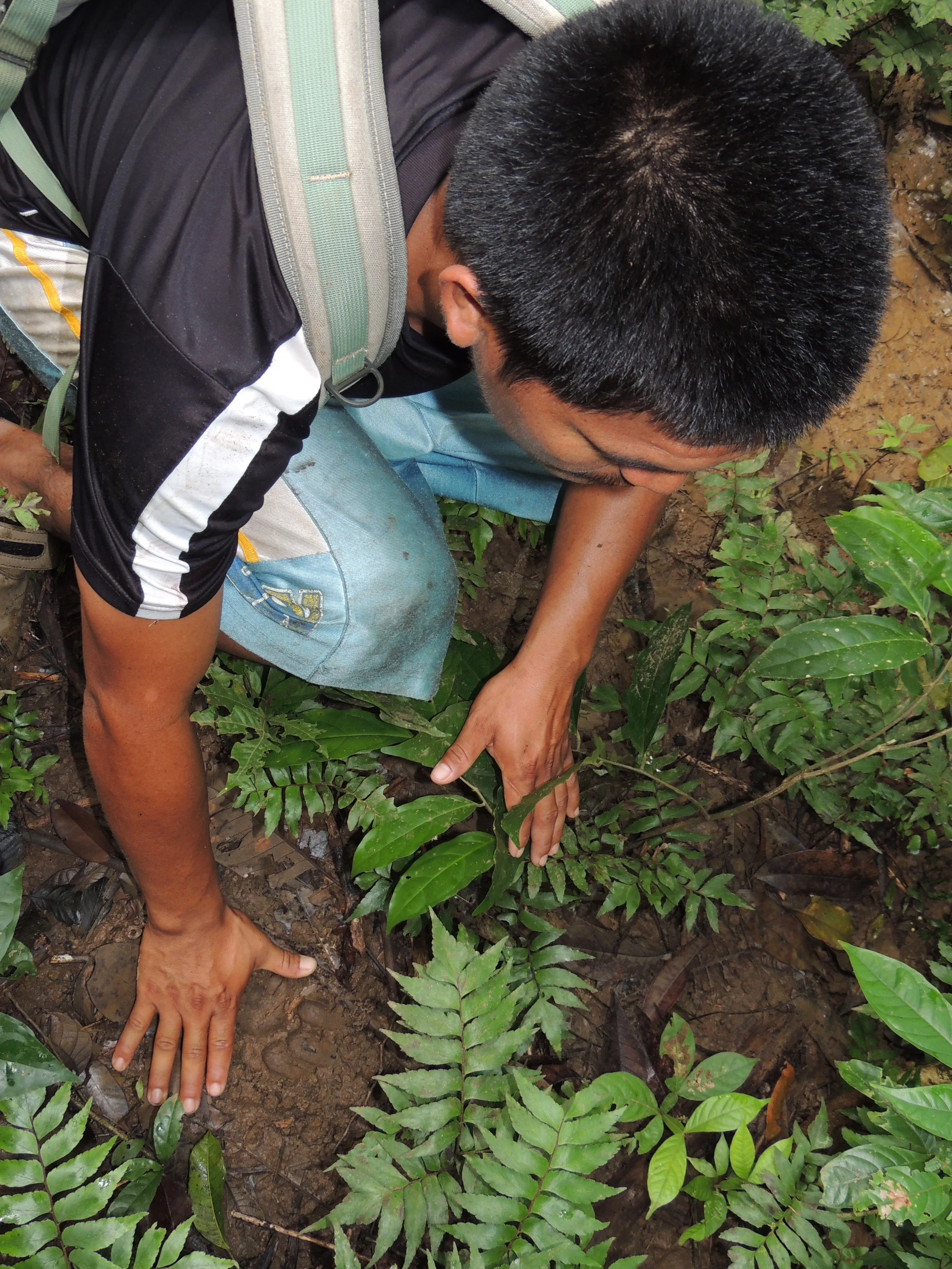
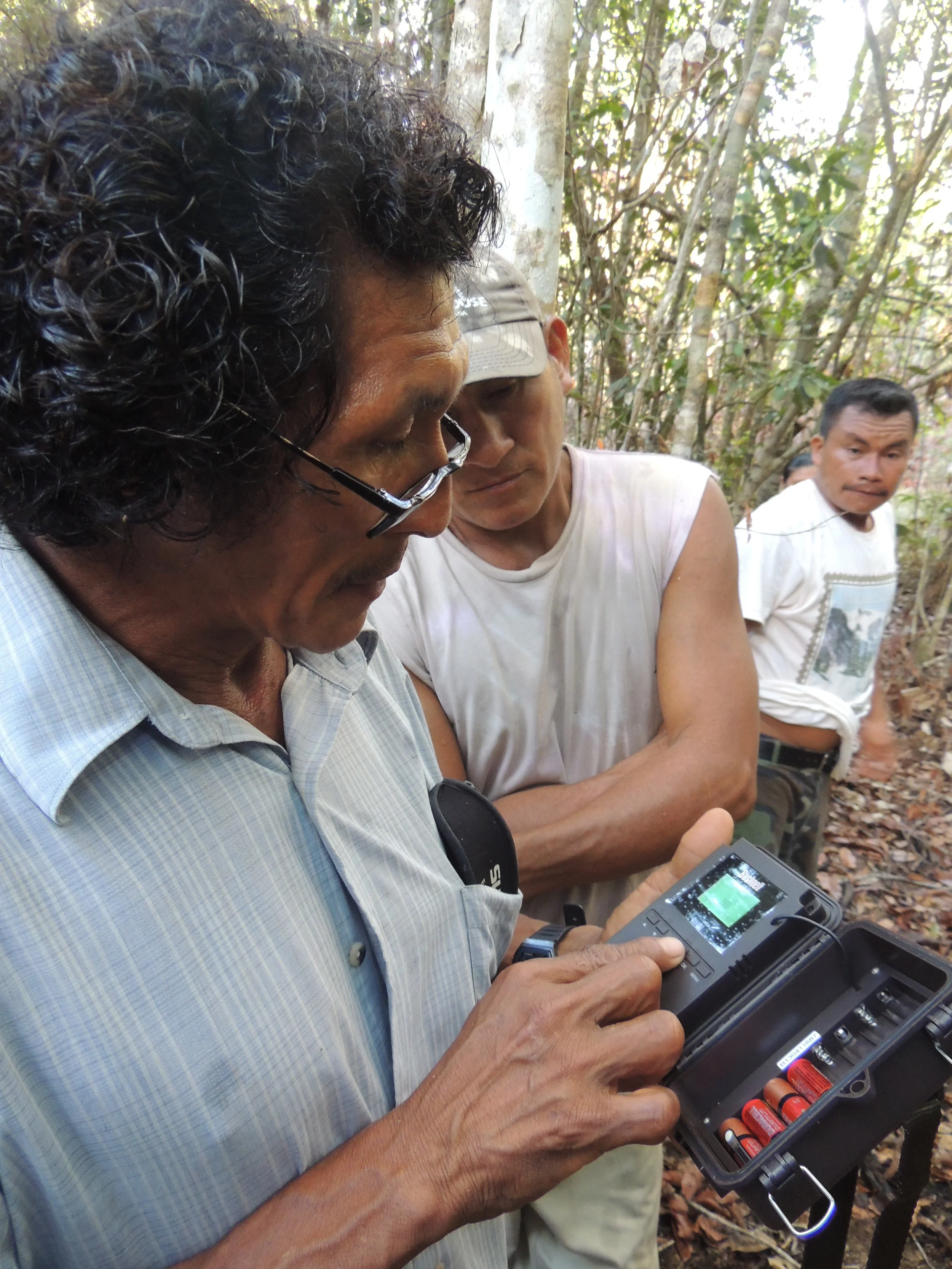
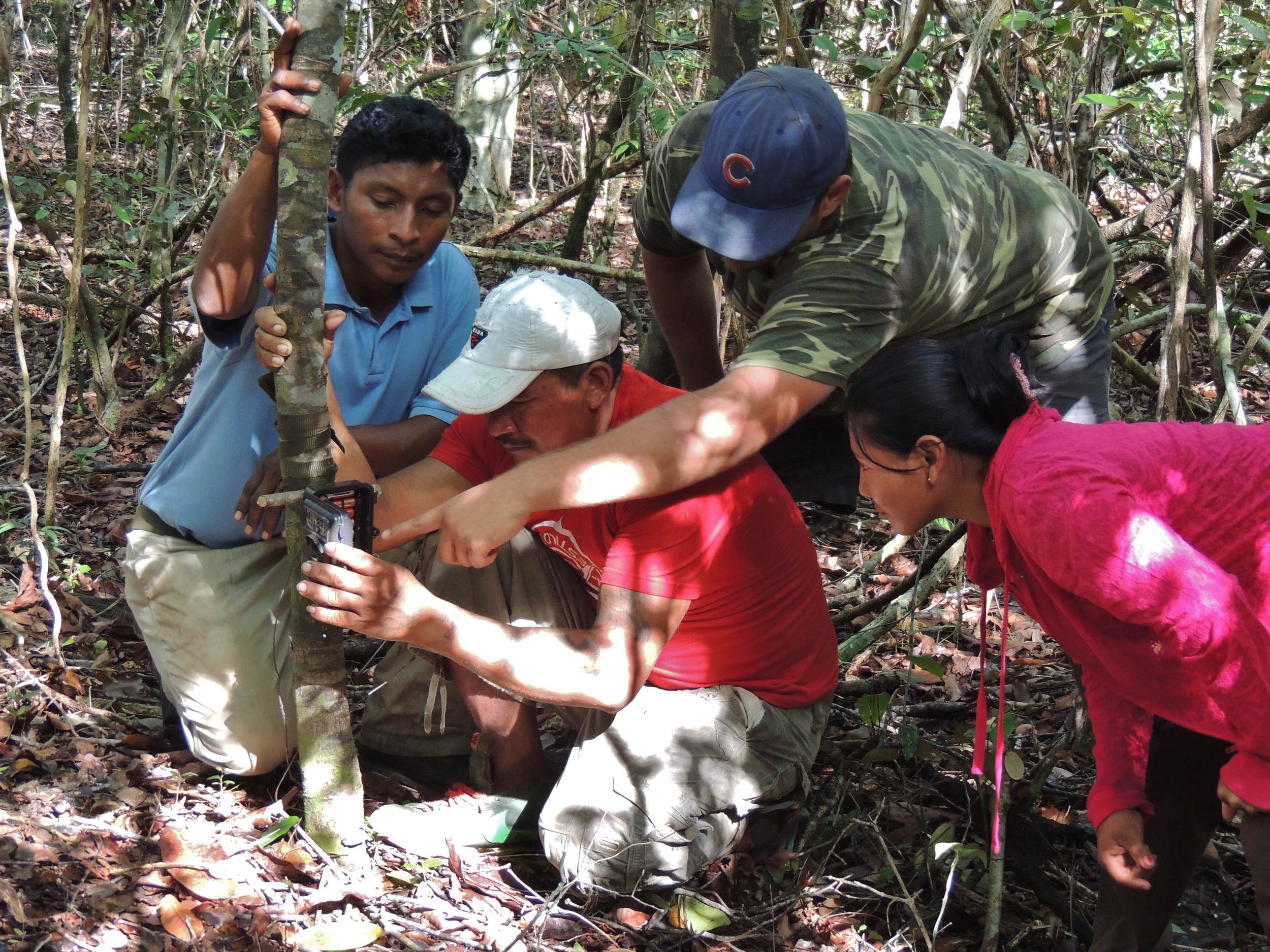
Goal: to establish baseline population densities of jaguar and their prey in the Kanuku Mountains via camera-trapping techniques and capture-recapture analyses; to build capacity for community-based monitoring; to support identification of a critical corridor linking regional jaguar populations.
Matt Hallett, Principal Investigator
The survey's findings on hunting and wildlife were published in 2019:
Frontiers in Ecology and Evolution (2019) Impact of low-intensity hunting on game species in and around the Kanuku Mountains Protected Area, Guyana
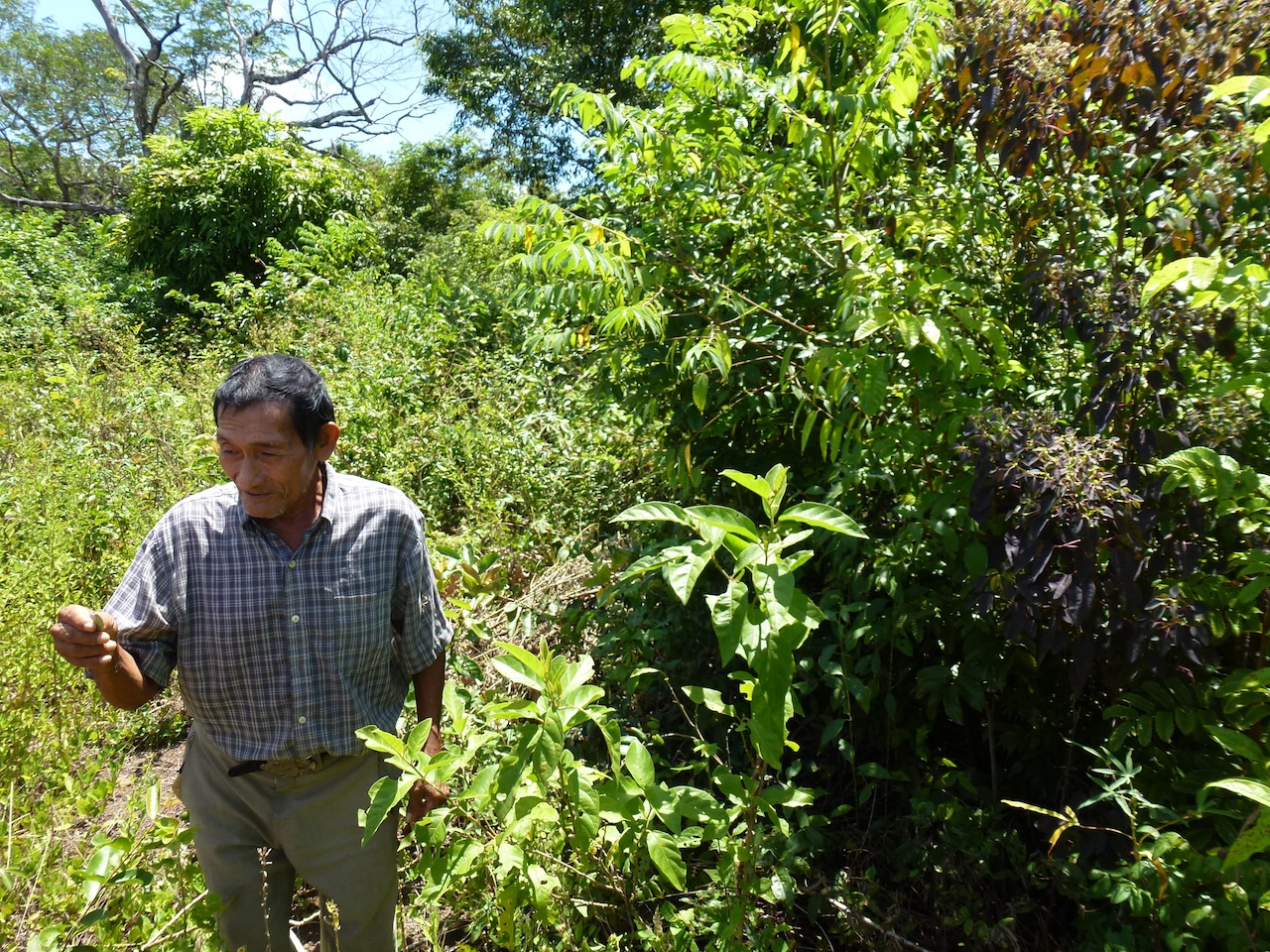
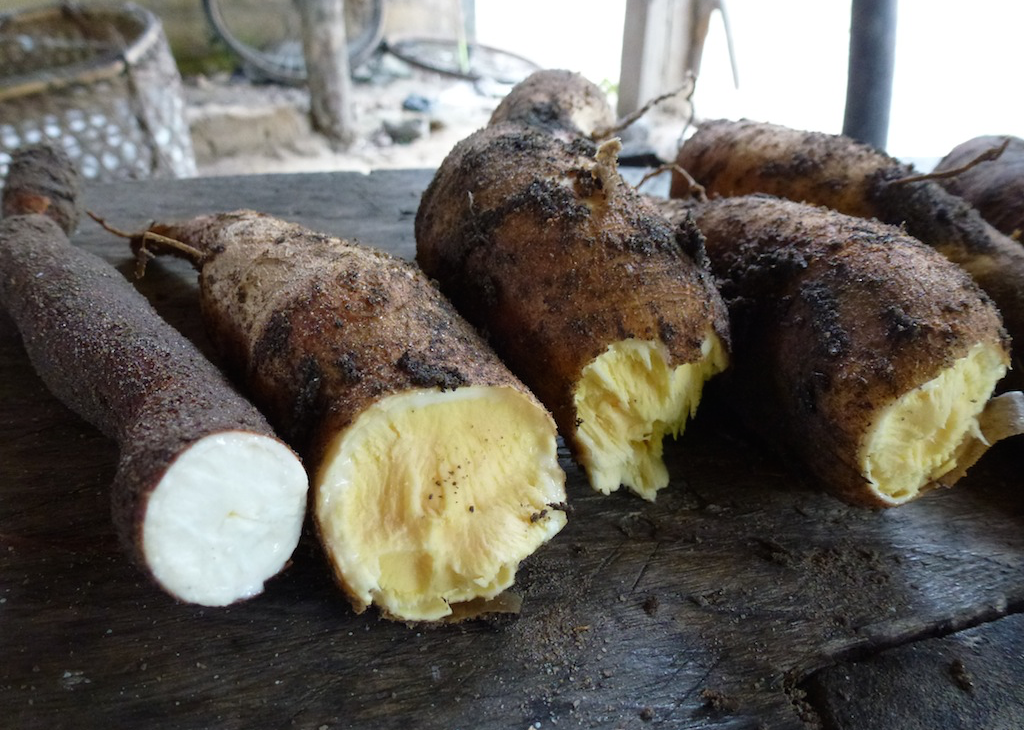
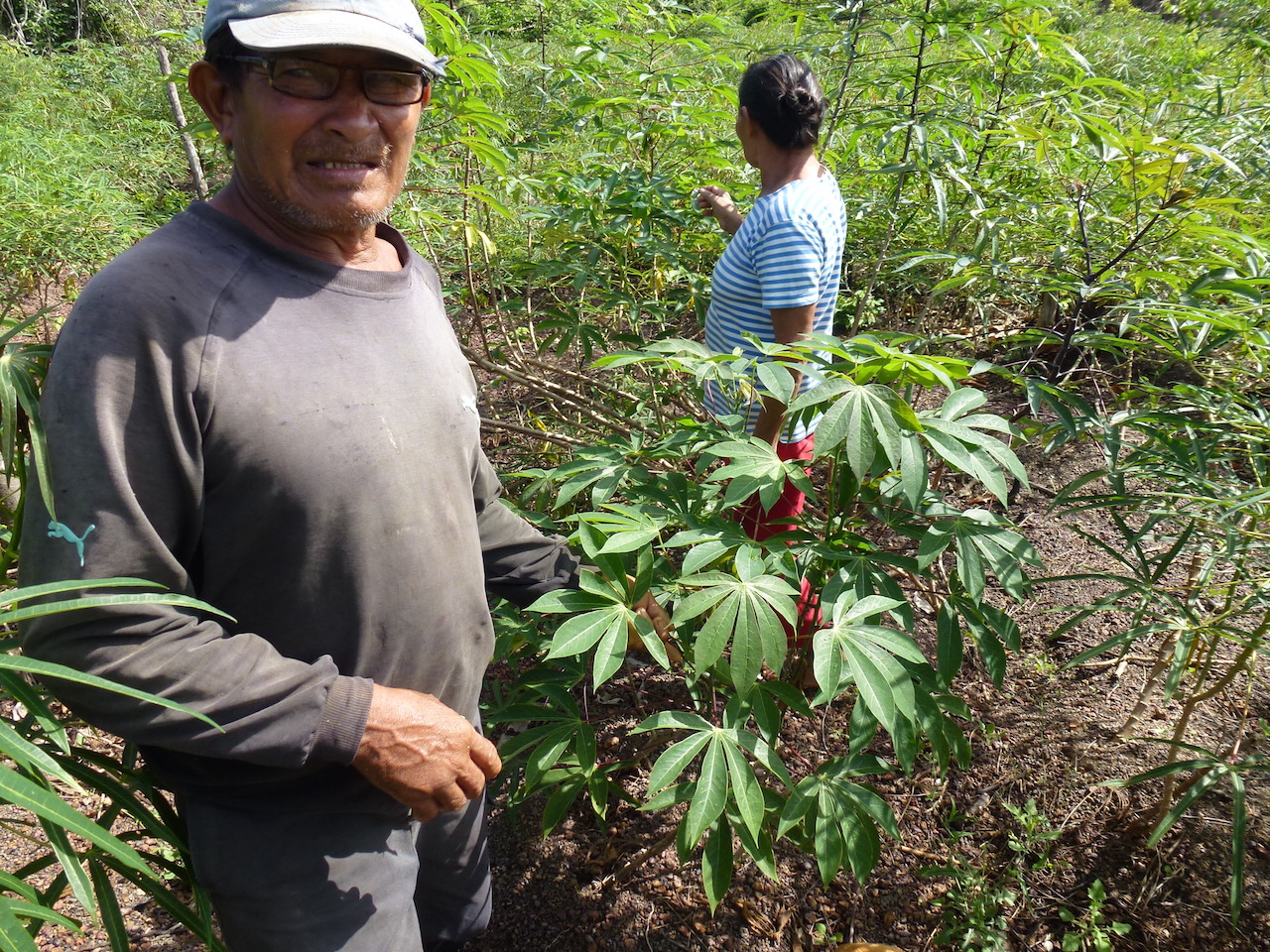

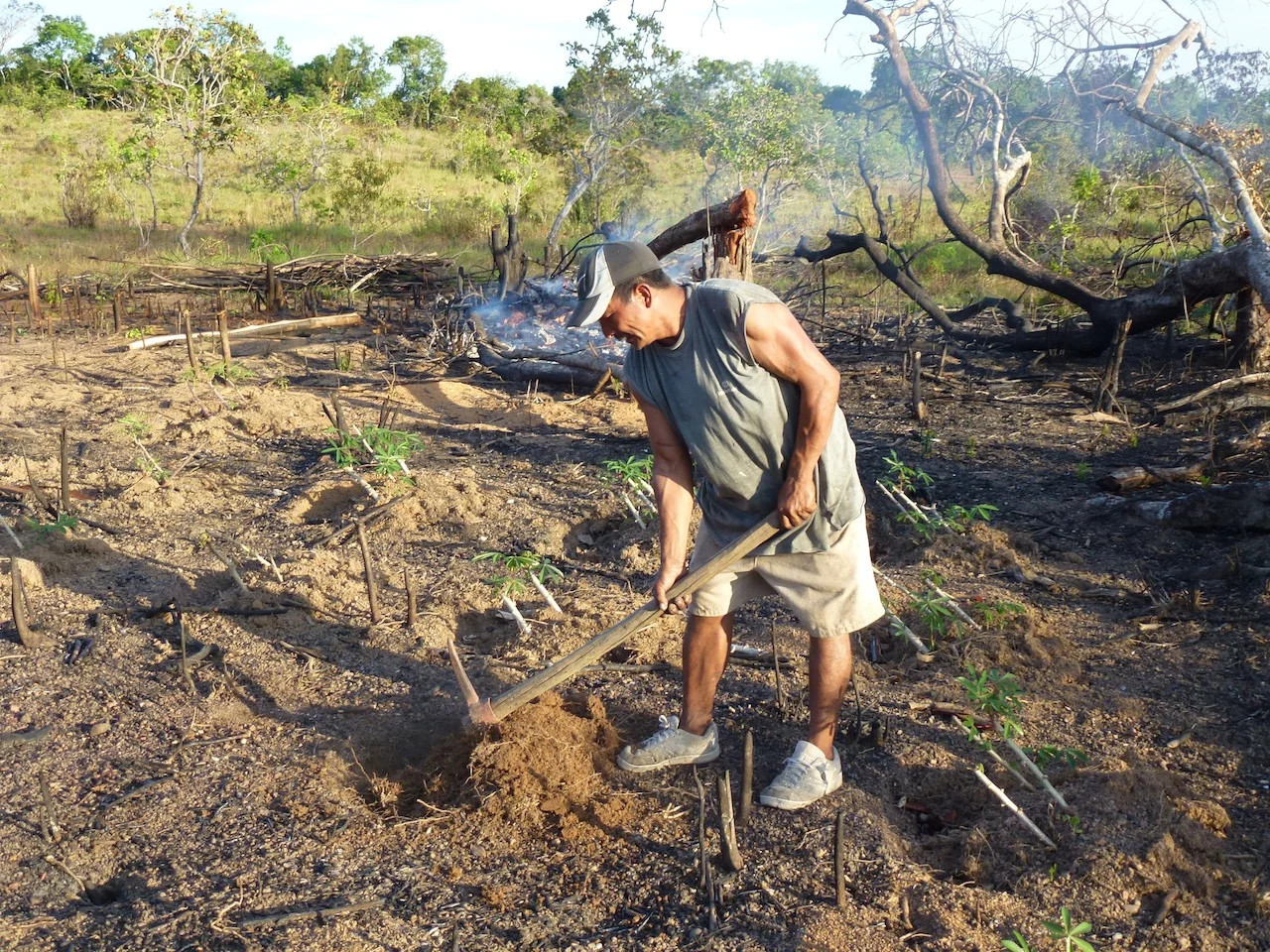
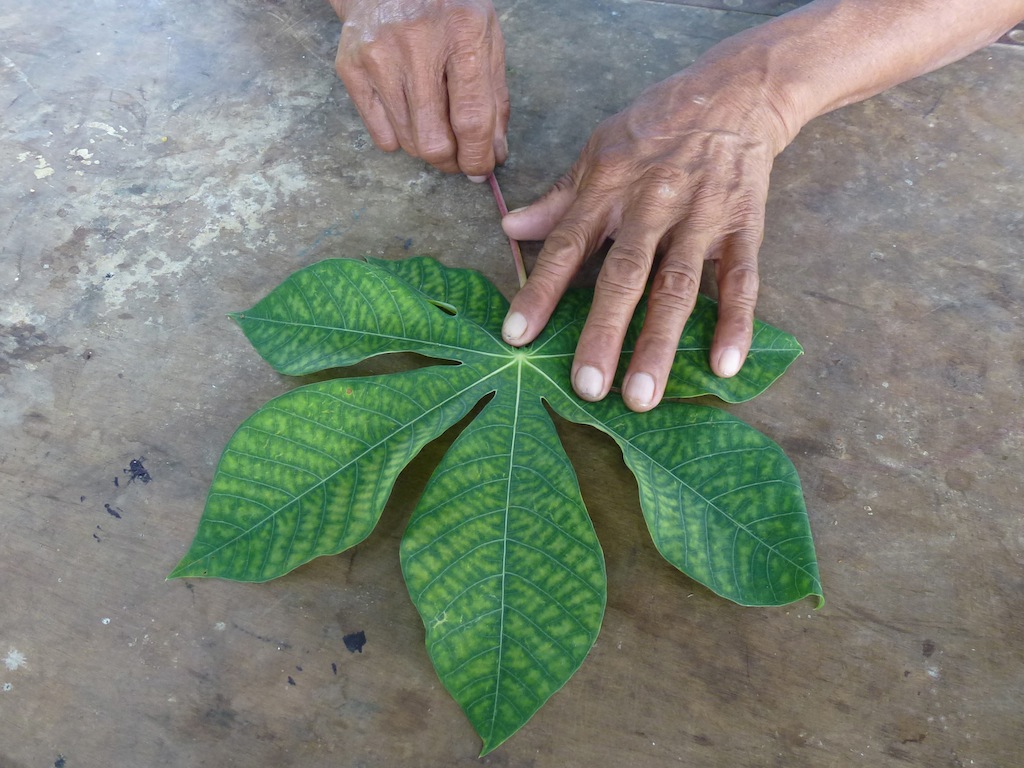
Macushi Ethnobotany Project
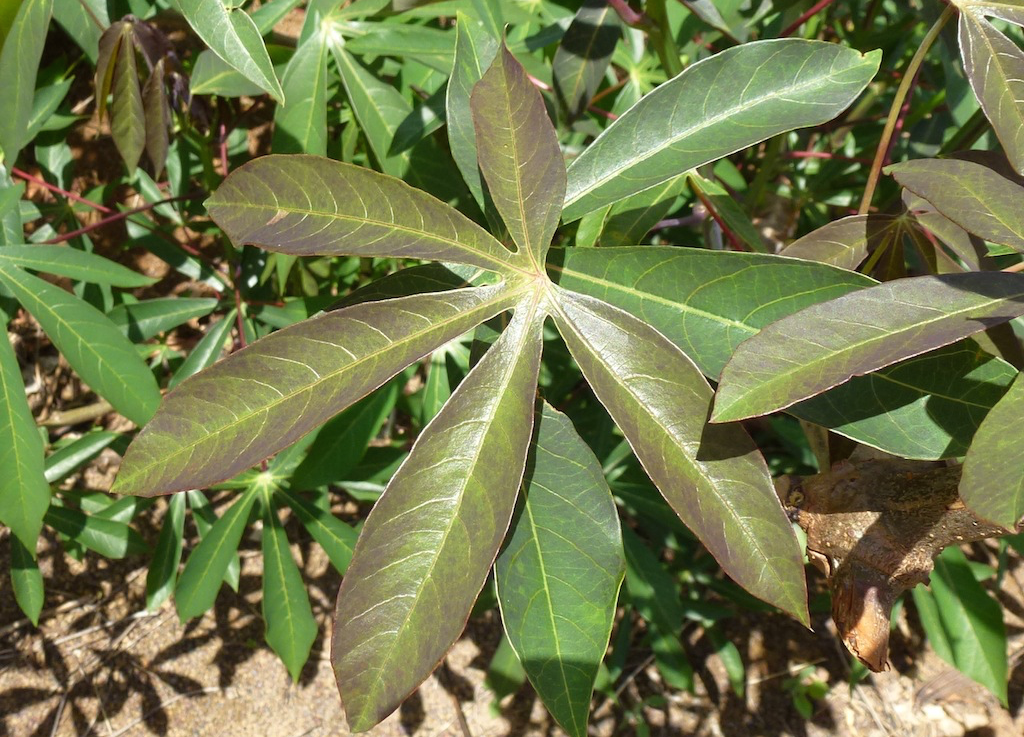
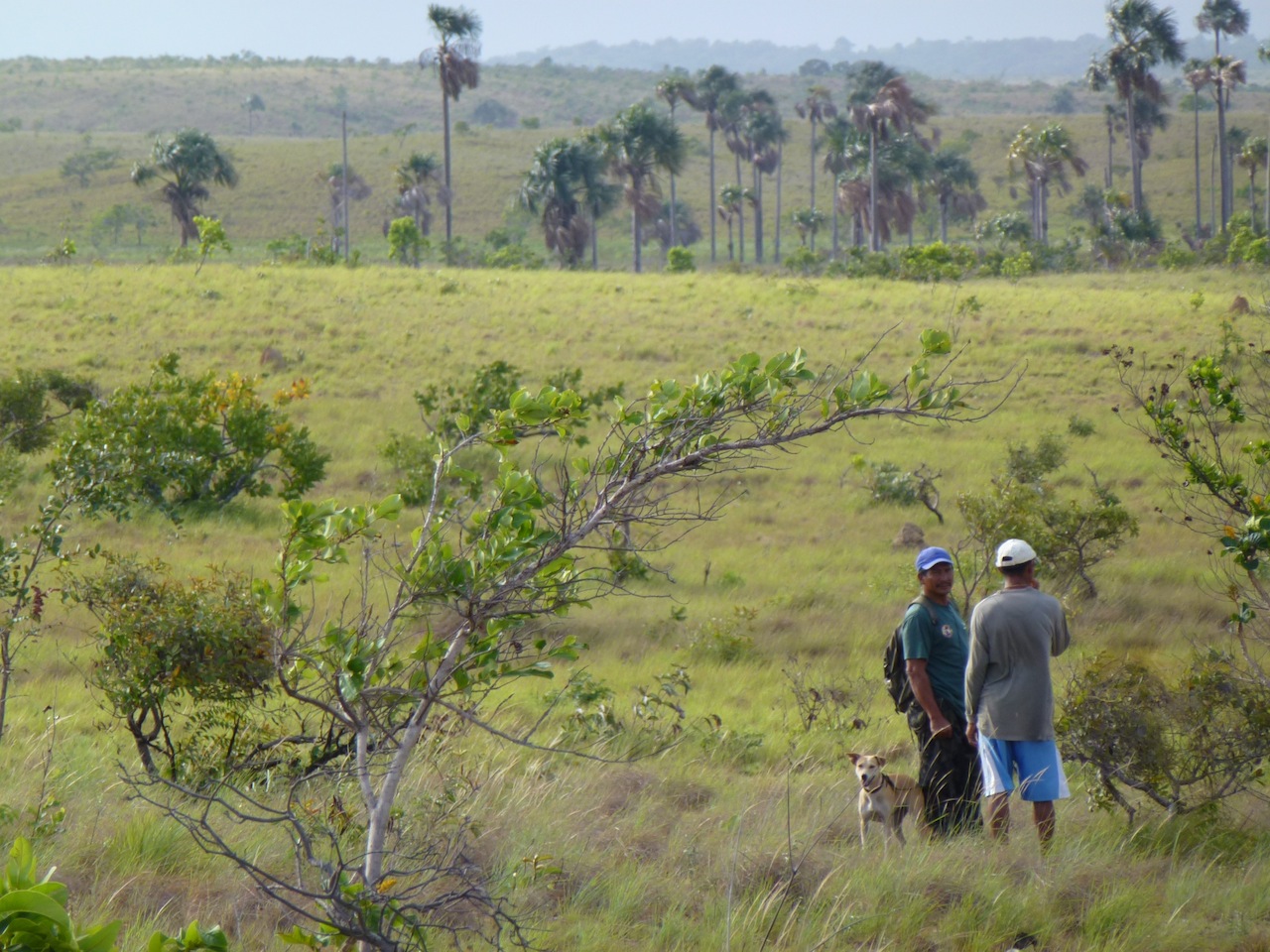
Working in collaboration with villagers and local experts, Lewis Daly PhD, Lecturer in Social Anthropology of the Environment at University College London, has recorded data relating to varietal diversity of crops, the cultivation and processing of cassava, local fermentation technologies, medicinal plants, and the use of plant charms in shamanic ritual. Fieldwork in Yupukari and Rewa has continued since 2011; the most recent papers appeared in 2024 and 2025. More generally, the project aims to promote education and the preservation of local ecological knowledge in the North Rupununi region.
Medical Anthropology (2025) "The Spirits Drink Cassava Beer": the more-than-human politics of self-help in Amazonian Guyana — https://doi.org/10.1080/01459740.2025.2473500
Journal of Ethnobiology (2024) Toxicity and plant animacy in Amazonia: cosmology, chemosensation, and ecosemiotics (with Glenn Shepard) — 44(4): 381–391
Journal of Ethnobiology (2024) Plant agency in the Guianas: attraction, assault, and animacy (Whitaker, Tamboli, Daly and Lewy) — https://doi.org/10.1177/02780771241277618
Smell, Taste, Eat: The Role of the Chemical Senses in Eating Behaviour (Palgrave Macmillan, 2024) Fragrant ecologies: aroma and olfaction in Indigenous Amazonia — book chapter, pp. 141–162
Anthropological Forum (2021) Cassava spirit and the seed of history: on garden cosmology in northern Amazonia — https://doi.org/10.1080/00664677.2021.1994918
Alcohol and Humans: A Long and Social Affair (Oxford University Press, 2019) The nature of sweetness: an Indigenous fermentation complex in Amazonian Guyana — book chapter, pp. 130–146
Anthropology Today (2019) Magic darts and messenger molecules: toward a phytoethnography of Indigenous Amazonia (with Glenn Shepard) — 35(2): 13–17
Commodity Histories, The Open University (2016) Cassava spirit and the seed of history: the biocultural history of a staple crop in Amazonian Guyana — online essay
University of Oxford (2015) The Symbiosis of People and Plants: Ecological Engagements among the Makushi People of Amazonian Guyana — doctoral thesis
Coming: Cassava Stories: Cultivating Landscapes of Memory in Indigenous Amazonia, in Tuberous Worlds (Yale University Press, in press); On Amazonian Magical Darts, in Folklore (in press).